
-
Making the Prospect’s Practitioner the Protagonist
- 30/10/2026
- Posted by: A Gable
- Category: Narrative & Demonstration
No Comments
-
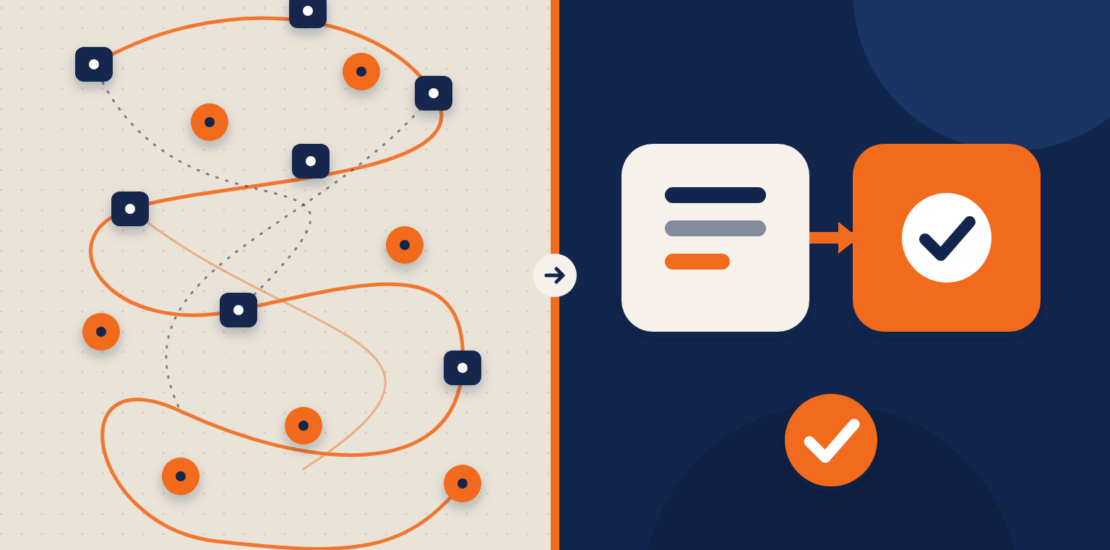
Contrasting Before and After Workflows
- 30/10/2026
- Posted by: A Gable
- Category: Narrative & Demonstration
-
Customizing Reference Architectures Live
- 30/10/2026
- Posted by: A Gable
- Category: Solution Architecture & Design

-
Layering Progressive Architectural Depth
- 30/10/2026
- Posted by: A Gable
- Category: Solution Architecture & Design

-
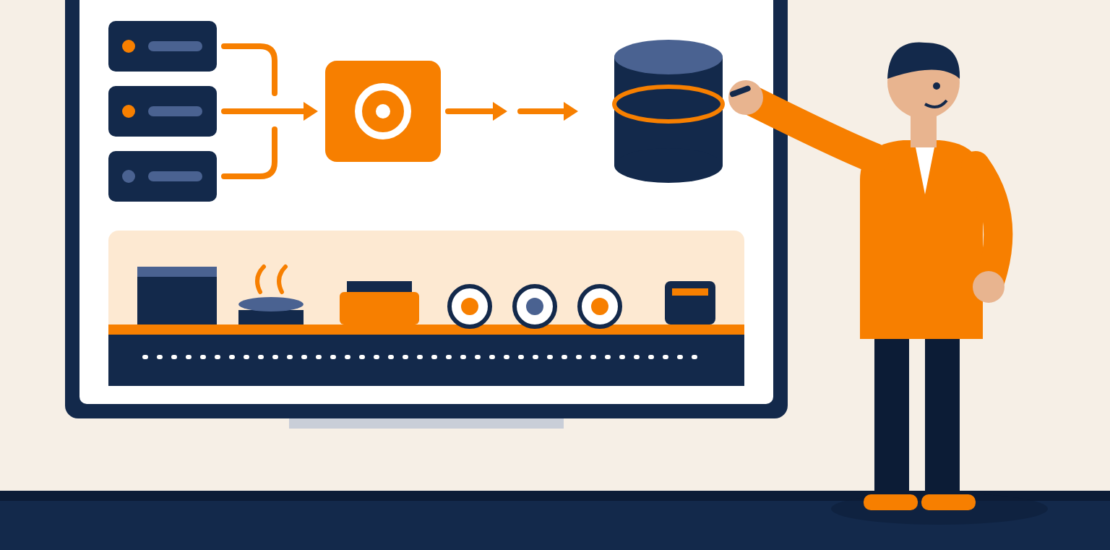
Using Concrete Analogies for Complex Mechanics
- 30/10/2026
- Posted by: A Gable
- Category: Narrative & Demonstration
-
Structuring Situation-Complication-Resolution Arcs: Give Every Architecture Diagram a Point of View
- 29/10/2026
- Posted by: A Gable
- Category: Narrative & Demonstration

How to frame every architecture diagram around the buyer’s current bottleneck and future state so mixed audiences understand what changes.
-
Opening with Outcome-First Vision: Show the Result Before the Setup
- 29/10/2026
- Posted by: A Gable
- Category: Narrative & Demonstration

Why demos that open with setup lose the room, and how to open with the finished outcome and then walk backward into the mechanics.
-
Translating Latency into Revenue Impact: Turn Faster Response Times Into a Number a CFO Accepts
- 27/10/2026
- Posted by: A Gable
- Categories: Core SE Mechanics, Proof of Value & PoC

A CFO does not buy milliseconds. Here is how Solution Engineers convert latency and processing-time gains into conversion, throughput and revenue, using the customer’s own numbers.
-
Summarizing Discovery Back to the Buyer: Confirm Alignment in the Prospect’s Own Words
- 27/10/2026
- Posted by: A Gable
- Categories: Core SE Mechanics, Discovery & Qualification

A discovery summary in the buyer’s own words is the cheapest way to find out you misunderstood something. Here is how to structure it, deliver it and use the corrections.
-
Assessing Organizational Change Readiness: Can the Team Actually Adopt What You Are Proposing?
- 27/10/2026
- Posted by: A Gable
- Categories: Core SE Mechanics, Discovery & Qualification

A technically perfect solution fails if the team has no time or appetite to adopt it. Here is how to assess change readiness in discovery and use it to shape the plan.